Monthly Archives: February 2025

Bone health

The right exercise for bone health

Firstly, what is Osteoporosis?

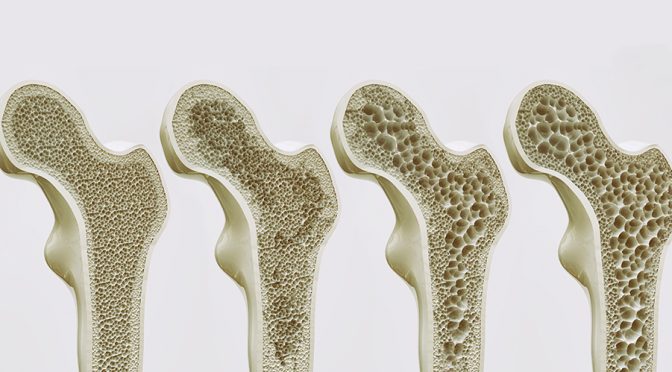
Osteoporosis is a bone condition characterised by low bone mass and changes to the internal structure of the bone. These changes lead to increased bone fragility and therefore, increased susceptibility to fracture. A recent report from Healthy Bones Australia indicated that 67% of Australians aged 50yrs and older, have either osteoporosis or osteopenia.

Osteoporosis is typically diagnosed following a bone density test at the hip and spine. The resulting ‘T score’ from this test indicates whether osteoporosis or osteopenia is present. Osteopenia is the pre-cursor to osteoporosis, where bone density scores are lower than the average adult, but not yet low enough to be diagnosed as osteoporosis.

Bone Mineral Density Chart (T-score)

Risk Factors

The primary risk factors for osteoporosis and osteopenia are;

  • female sex, particularly post-menopausal women
  • age (>50 yrs)
  • sedentary lifestyle
  • malnutrition (specifically inadequate calcium and vitamin D)
  • smoking and excessive alcohol consumption

Exercise for Bone Health

Bone is adaptable and responds to appropriate forces placed on it. Current evidence indicates the most effective exercise to promote bone remodeling / strengthening is progressive resistance training and impact activities. A combination of both these forms of exercise have been shown to be the most effective for bone loading. Additionally, regular balance training is recommended to minimise falls risk and subsequently fracture risk.  

Exercise Recommendations

Resistance Training

  • 2-3 days per week
  • 2-4 sets of 5-8 repetitions
  • Focus on multi-joint exercises, targeting large muscle groups

Impact Exercise

  • 3 days per week
  • Gradual progression of jumping/landing impacts
  • Approx 50 impacts per session

Balance

  • 3 days per week
  • Progressively challenging exercises
  • Including dynamic balance and reactive balance components

It’s important to note that the above recommendations represent a ‘best case’ scenario, which will not be applicable or achievable for everyone straight away. The starting point and progressions for each exercise will always be individual specific, in order to be achieve a safe and effective program.
Exercise tips

Bad posture… what is that?

Bad posture… what is that?

With more people working from home, there has been a lot of theories on what constitutes good or bad posture? Is bad posture even relevant to pain or injury? Here is what we know;

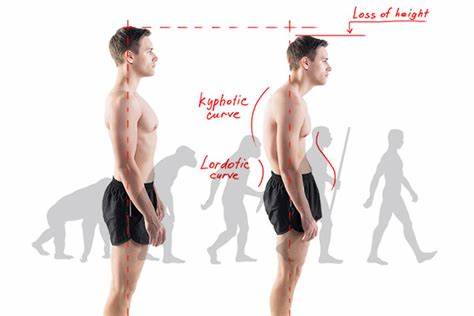
Current evidence concludes that posture does not directly correlate to causing injury and/or pain. Rather the accumulative load of one position, can occasionally cause discomfort – especially when holding that position for an extended period of time. A certain posture that causes discomfort doesn’t necessarily make it a ‘bad’ position, it just means we should prioritise changing from that position frequently.

What would we suggest?

  • Move positions! Get up out of your chair; stand up; kneel, walk around, dance (literally anything).
  • If you’re a desk worker who sits for long periods – use a timer (30mins often works best) to remind yourself to change positions, go for a walk, or even have a quick stretch!

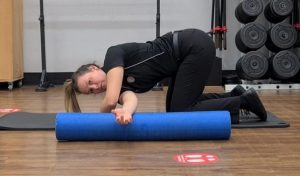
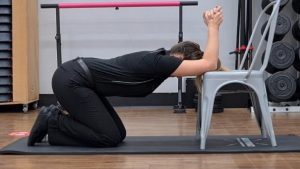
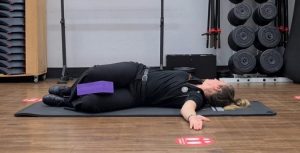
We have outlined a few nice stretches below which can be performed before, during or after work. Especially for those who can feel tight and stiff through their back. 

1a) Tx openers

1b) Thread the needle


1c) Tx extension
Strengthen and Lengthen

If you are concerned about your current posture, whether that be feeling ‘bent over’ or in regular discomfort – it is worthwhile prioritising specific strength (resistance) training. This involves strengthening certain movements that you are currently lacking strength and mobility in. We know that performing resistance exercise through a full range of motion can assist with improving overall flexibility and decreasing sensations of stiffness. 

Exercises specifics will vary for each individual, however some general rules to follow include;

  • Move through a full range of motion
  • Gradually progress the volume or intensity of the exercise overtime
  • Add some rotational movements into your program. Our spine likes to move and some light rotation often helps reduce feelings of stiffness.
  • Include back strengthening exercises (i.e. rows, back extensions). These can often feel nice to ‘open up’ through your mid-back. 

Start at your own level and gradually progress from there. Reach out to a professional if you would like some guidance with mobility or resistance exercise.