Tag Archives: Exercise

Bone health

The right exercise for bone health

Firstly, what is Osteoporosis?

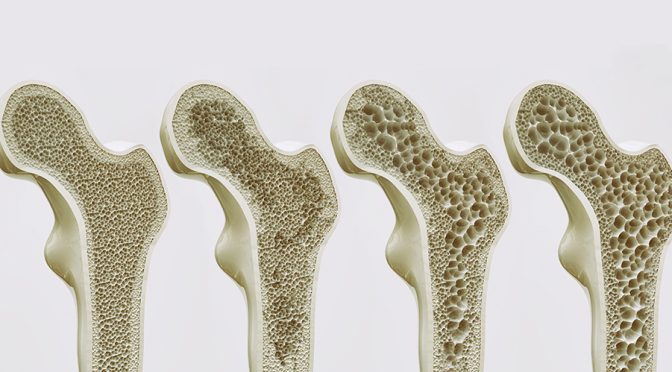
Osteoporosis is a bone condition characterised by low bone mass and changes to the internal structure of the bone. These changes lead to increased bone fragility and therefore, increased susceptibility to fracture. A recent report from Healthy Bones Australia indicated that 67% of Australians aged 50yrs and older, have either osteoporosis or osteopenia.

Osteoporosis is typically diagnosed following a bone density test at the hip and spine. The resulting ‘T score’ from this test indicates whether osteoporosis or osteopenia is present. Osteopenia is the pre-cursor to osteoporosis, where bone density scores are lower than the average adult, but not yet low enough to be diagnosed as osteoporosis.

Bone Mineral Density Chart (T-score)

Risk Factors

The primary risk factors for osteoporosis and osteopenia are;

  • female sex, particularly post-menopausal women
  • age (>50 yrs)
  • sedentary lifestyle
  • malnutrition (specifically inadequate calcium and vitamin D)
  • smoking and excessive alcohol consumption

Exercise for Bone Health

Bone is adaptable and responds to appropriate forces placed on it. Current evidence indicates the most effective exercise to promote bone remodeling / strengthening is progressive resistance training and impact activities. A combination of both these forms of exercise have been shown to be the most effective for bone loading. Additionally, regular balance training is recommended to minimise falls risk and subsequently fracture risk.  

Exercise Recommendations

Resistance Training

  • 2-3 days per week
  • 2-4 sets of 5-8 repetitions
  • Focus on multi-joint exercises, targeting large muscle groups

Impact Exercise

  • 3 days per week
  • Gradual progression of jumping/landing impacts
  • Approx 50 impacts per session

Balance

  • 3 days per week
  • Progressively challenging exercises
  • Including dynamic balance and reactive balance components

It’s important to note that the above recommendations represent a ‘best case’ scenario, which will not be applicable or achievable for everyone straight away. The starting point and progressions for each exercise will always be individual specific, in order to be achieve a safe and effective program.

Mental health

Exercise and Depression

Depression can make even the simplest tasks feel overwhelming, and finding motivation to exercise might seem impossible at times. Yet, research consistently shows that movement can be one of the most powerful tools in managing and reducing symptoms of depression.

How exercise helps:

  • Boosts mood naturally: Physical activity stimulates the release of endorphins and serotonin, chemicals in the brain that help lift mood and reduce feelings of sadness or anxiety.

  • Improves sleep and energy: Regular exercise helps regulate sleep patterns and increases daytime energy, both of which are often disrupted by depression.

  • Builds routine and confidence: Setting small, achievable goals creates structure, a sense of accomplishment, and improved self-esteem.

Practical tips to get started:

  • Start small: Even a 10-minute walk can make a difference.

  • Choose enjoyable movement: Gardening, stretching, dancing, or walking with a friend all count as exercise.

  • Be consistent, not perfect: Aim for regular movement rather than following a ‘perfect’ program. Progress builds over time.

  • Seek support: Working with an Exercise Physiologist provides guidance, accountability, and a personalised plan that matches your needs and energy levels.

Exercise isn’t a cure-all, but it’s a valuable part of a holistic approach to managing depression. Gentle, consistent movement can be a step towards feeling better—physically, mentally, and emotionally.