Category Archives: Posture

Chronic pain

Ergonomic assessments

What does ergonomic mean?

“the scientific study of people and their working conditions, especially done in order to improve effectiveness”

Ergonomic assessments play a vital role in each workplace to ensure the safety of both the employee and the employer. An ergonomic assessment is tailored to each individual, in each individual workplace. They are used to prevent injury, decrease work-related injury premiums, and ultimately, increase productivity and performance of the employee. Ergonomic assessments have commonly been used in desk/admin-based roles, until more recently where they have been used in many different workplaces such as warehouses, trades, hospitality, and maritime occupations.

What are the signs of a poor ergonomic set-up? 

The impacts of a poor ergonomic setup may not be felt straight away. However, long durations spent in these awkward positions can lead to potential issues down the track. Some of the common signs/symptoms of a poor ergonomic assessment are:

  • Sore shoulders while at the workstation
  • Leg aches while at the workstation
  • Irritability/increased mental load at the workstation
  • Increase in headaches/migraines while at the workstation
  • Lower back pain while at the workstation

What common changes can be made to your workstation to make it more ergonomically sound? 

  • Adjusting the monitor height
  • Adjusting the monitor positioning (for 1 or 2 monitors)
  • Adjusting the desk positioning in relation to lighting
  • Adjusting the seat height
  • Adjusting the backrest height
  • Adjusting the foot/floor positioning
  • Adjusting desk items (mouse, phone, files etc)

Ergonomic assessments should be tailored to each individual just like exercise programming from an Exercise Physiologist. Don’t work in physical pain, working is already painful enough! Get in touch today to book your personalized ergonomic assessment with the Enable Health Clinic. 

Exercise tips

Bad posture… what is that?

Bad posture… what is that?

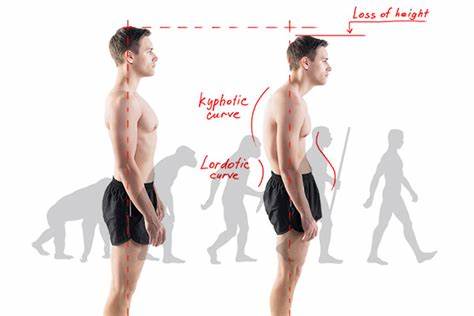
With more people working from home, there has been a lot of theories on what constitutes good or bad posture? Is bad posture even relevant to pain or injury? Here is what we know;

Current evidence concludes that posture does not directly correlate to causing injury and/or pain. Rather the accumulative load of one position, can occasionally cause discomfort – especially when holding that position for an extended period of time. A certain posture that causes discomfort doesn’t necessarily make it a ‘bad’ position, it just means we should prioritise changing from that position frequently.

What would we suggest?

  • Move positions! Get up out of your chair; stand up; kneel, walk around, dance (literally anything).
  • If you’re a desk worker who sits for long periods – use a timer (30mins often works best) to remind yourself to change positions, go for a walk, or even have a quick stretch!

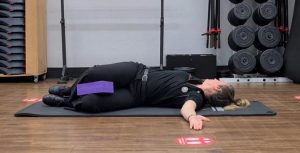
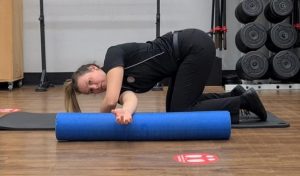
We have outlined a few nice stretches below which can be performed before, during or after work. Especially for those who can feel tight and stiff through their back. 

1a) Tx openers

1b) Thread the needle
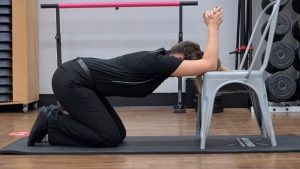


1c) Tx extension
Strengthen and Lengthen

If you are concerned about your current posture, whether that be feeling ‘bent over’ or in regular discomfort – it is worthwhile prioritising specific strength (resistance) training. This involves strengthening certain movements that you are currently lacking strength and mobility in. We know that performing resistance exercise through a full range of motion can assist with improving overall flexibility and decreasing sensations of stiffness. 

Exercises specifics will vary for each individual, however some general rules to follow include;

  • Move through a full range of motion
  • Gradually progress the volume or intensity of the exercise overtime
  • Add some rotational movements into your program. Our spine likes to move and some light rotation often helps reduce feelings of stiffness.
  • Include back strengthening exercises (i.e. rows, back extensions). These can often feel nice to ‘open up’ through your mid-back. 

Start at your own level and gradually progress from there. Reach out to a professional if you would like some guidance with mobility or resistance exercise.